164
Introduction
If you have very old antique furniture in your home, you may have to deal with a broken furniture foot at some point. The first instinct would be to get a professional by searching for “furniture repair near me”. However, before you can do that, you need to identify the furniture foot styles to communicate properly with the repair guy. Let’s check out the different furniture foot styles:
The Styles
- Ball Foot – As the name suggests it is a ball-shaped foot and is one of the most common types of furniture legs you can find. This type of spherical foot style is usually found on secretaries, sideboards, and chest pieces. It has been in existence since the 1600s and its popularity didn’t dwindle until the late 1800s. You can find it till this date on country-style furniture and American Federal pieces. The foot style also gave birth to many variations including the onion foot, bun foot, and turnip foot.
- Arrow Foot – This foot style consists of a tapering cylindrical structure that is distinguished from the leg by a turned ring. Even if the leg is fluted or has any special design, this foot mostly remains plain to maintain its strength. The style became popular in the 18th century, and you can find it in many Sheraton designs. It used to be a distinguishable feature of the woodworks coming out from carpenters in colonial Philadelphia.
- Ball and Claw Foot – The ball and claw foot looks like a bird claw gripping on a ball and it was intended to be that way. They are made completely out of wood, especially in Chippendale style furniture. However, you can also find some examples where a glass ball is gripped by a metal claw. Since its introduction in the 1700s, this foot style has remained quite popular and is often seen in expensive old furniture.
- Bracket Foot – One of the most recognized and basic furniture foot styles that have been encountered by people of all ages and times. With a metered cornered embellishment, it is also known as the console leg. You’ll find this bracket foot in both Sheraton and Hepplewhite furniture styles and its variations include the ogee bracket foot and scrolled bracket foot with a curved exterior edge.
- Block Foot – A basic block foot style with a cube or square shape that used to be very popular for two centuries from the 1600s to the 1800s. If you have antique furniture of English or American origin from the mid-1800s, you may have seen it. The style is also known as the Marlborough foot since it used to be paired most often with the Marlborough leg.
- Dolphin Foot – An exquisite foot style that is also a complex piece of art. In this style, the foot is shaped like a fish head and hence the name. For extra stability, you would often find the motif extending to the base of the foot. Certain furniture pieces with this leg would also feature dolphin-shaped legs and arms to match the aesthetics. The use of the dolphin’s shape has been prevalent since the Renaissance era but gained popularity in furniture styles in the mid-1700s.
- Bun Foot – As mentioned above, the bun foot is a variant of the ball foot and contains a spherical foot that is squatted and thicker in the middle. Moreover, it’s thicker at the bottom and offers more stability. It dates back as early as the 1600s and was popular for furniture and accessories until the 1800s.
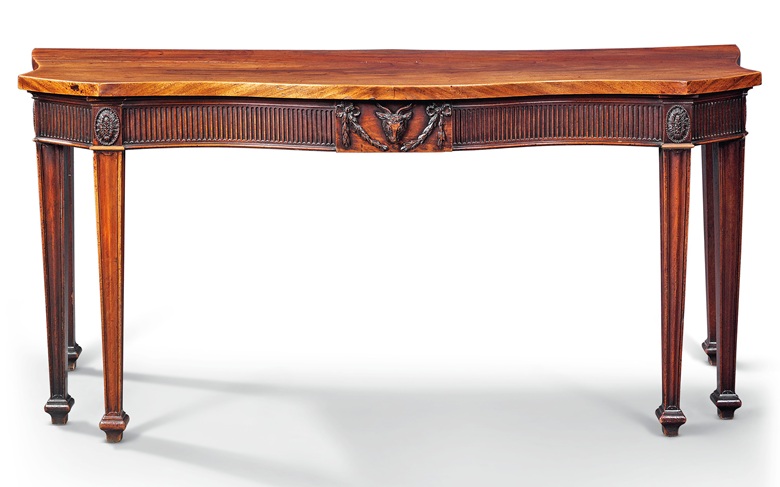
- Cylindrical Foot – The cylindrical foot style almost seems like an extension of the cylindrical leg. It narrows down from the top towards the bottom and the foot is separated by a ring structure. However, unlike other types of foot, this one swells out from the ring separation and narrows down at the bottom. Also known as the elongated bulb foot, this style usually features plain crafting with reeded or fluted legs. This foot style is often associated with neoclassical and Georgian style furniture that was made during the late 18th to early 19th centuries. Don’t be fooled by its delicate and refined look. If made well, this foot can be sturdy enough for some of the heaviest pieces of furniture.
- Topic Foot – This foot consists of a large tuning in the middle that narrows down at the end and hosts a saucer-shaped rounded top. As the name suggests, it resembles a spinning top or “toupie” in French. Also known as the spool foot, the short and stout foot can support heavy furniture with slender feet usually reserved for chairs. The couple foot is most commonly associated with Louis XIV styles of furniture and has been very popular since the mid-1600s.
- Hoof Foot – This is one of the earliest furniture foot styles to resemble an animal’s body part. The foot successfully mimics an animal hoof and developed along with the cabriole leg towards the late 1600s. In French, it is also known as the “pied-de-Biche” which translates to deer’s foot.
- French Foot – The French foot is essentially a variant of the bracket foot, that is tapered and ends with a concave shape. Unlike other types of bracket foot, like the ogee, this one features a simple mitered edge that is complemented by an apron or valence at the center. It dates back to the 18th century and takes characteristics from both Sheraton and Hepplewhite furniture styles.
- Trestle foot – One of the oldest styles of furniture foot in existence, that originated since the Middle Ages. The sturdy trestle foot is known for its strength due to the T-shaped feet and the horizontal piece in between.
Conclusion
Now that you know all about the various types of furniture foot styles, it’s easy to identify a broken foot on any of your antique chairs, lounges, or other types of furniture. Once you’ve identified the leg, it’s easy to communicate with the repair service by searching for “furniture repair near me”.
